
Arlington Highlands
Helped deliver one of DFW's largest non-mall shopping centers — an 800,000 SF mixed-use destination with 80+ retailers, Class A office, and tree-lined lifestyle parks.
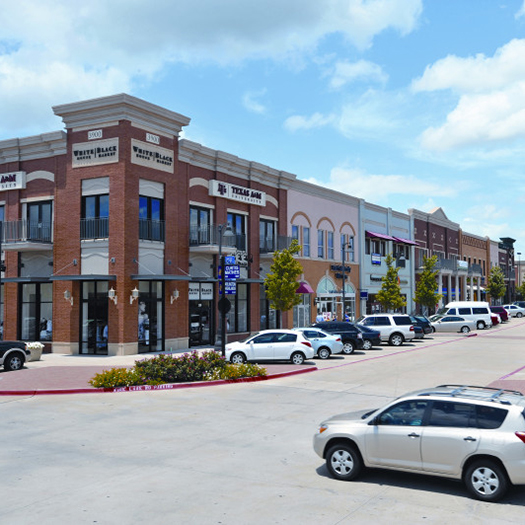
Upon completion, Arlington Highlands became one of the largest, non-mall shopping centers in DFW. This 800,000 SF mixed-use project has an unparalleled line-up of over 80 retail tenants along with a mix of Class A office space. The project integrates an exceptional mix of lifestyle and power retailers. Noteworthy are the number of key anchors and that the largest tenant is only 40,000 SF.
The lifestyle area of the project is highlighted by two tree-lined central parks spanning more than 1,000 linear feet and featuring two creeks with natural stone pedestrian bridges, music, sculptures and extensive landscaping. The boulevards and the lifestyle buildings' two-story brick facades are reminiscent of historic downtown main streets. More than twenty restaurants are spaced throughout the development, with most providing dining on outdoor patios, creating an active and energetic environment throughout the day and into the evening.
The development combines six primary uses to meet the varied needs of the citizens of Arlington and the surrounding cities, including the traditional junior anchors, specialty retailers, traditional retailers, restaurants, medical offices, service providers, health and fitness facilities, entertainment users and Class A office space.
Fourteen parcels of land had to be assembled before Arlington Highlands could be developed. A project large enough to provide a day full of activities was turned inward from adjacent streets to create a "sense of place". This theme was carried out through every challenge in the development of the project.
Rezoning land that for years had been identified as part of Arlington's business corridor, to retail, demanded a clear vision which could be appreciated and trusted by the leaders of the city. This trust continued in convincing these leaders to do away with a program of multiple short monument signs to allow for coordinated, combined signage that identified the anchors of the project.
Additionally, the government entities approved the creation of a $16M Tax Increment Financing District to add to and modify the existing roadway system serving the project—a further validation of the importance and uniqueness of Arlington Highlands. This work included adding new streets, widening streets for additional capacity, adding traffic signals, completely rebuilding the frontage road along the front of the project, adding an auxiliary lane to the main lanes of I-20 and relocating an off-ramp to provide for improved access to the project.